


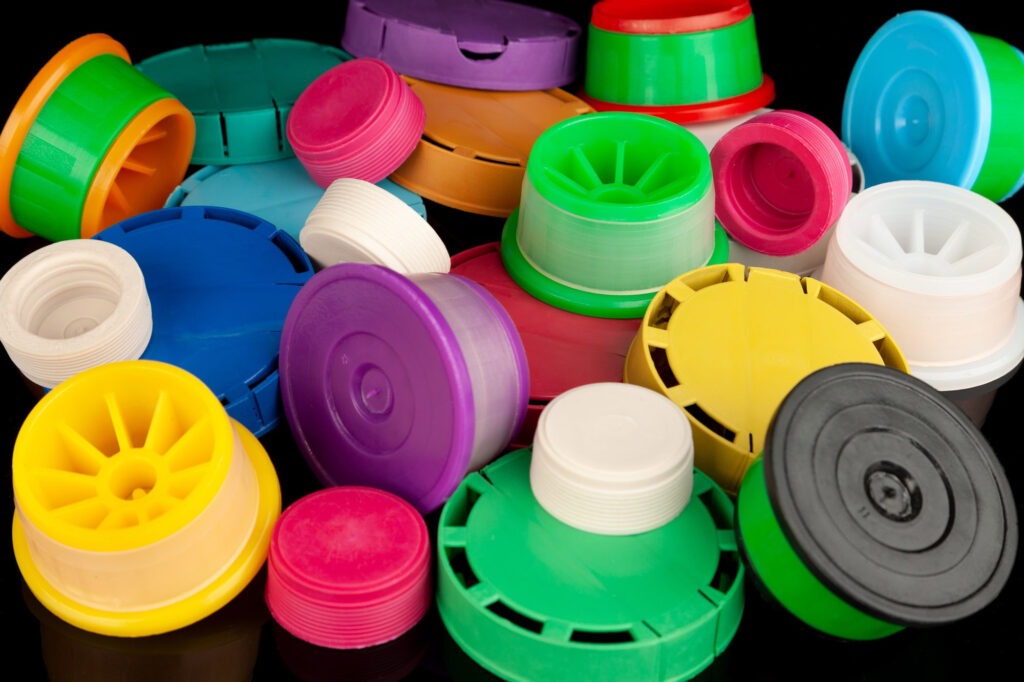
At UB Plastics, we help bring ideas to life with practical, production-ready product design services. Whether you’re starting from scratch or refining an existing concept, our in-house team supports every stage of the design process – with a clear focus on mouldability, performance and cost efficiency.
We’ve built our reputation on practical experience, dependable service and long-term customer partnerships. With advanced mould tooling, automation and design support, we offer a complete moulding service – from concept to final delivery. Trusted by global brands and committed to sustainability, UB Plastics is a reliable partner for high-performance moulded parts.
With roots going back to 1983, UB Plastics has decades of know-how in injection moulding. Trusted by major brands. We’re proud of our heritage, and even prouder of where it’s taken us.
We run 23 injection moulding machines, from 35T to 220T, with high-speed robotics and in-mould labelling. It means we can deliver consistent, high-volume production with precision – every time.
From recycled tamper-evident caps to efficient, low-waste production, we help our customers meet sustainability goals without compromising on quality.
We go beyond moulding – offering in-house design, tooling, stockholding and delivery, to make your project run smoothly from start to finish.
We’ve earned the confidence of major names in brewing, food, packaging and construction – by delivering quality, reliability and service that speaks for itself.
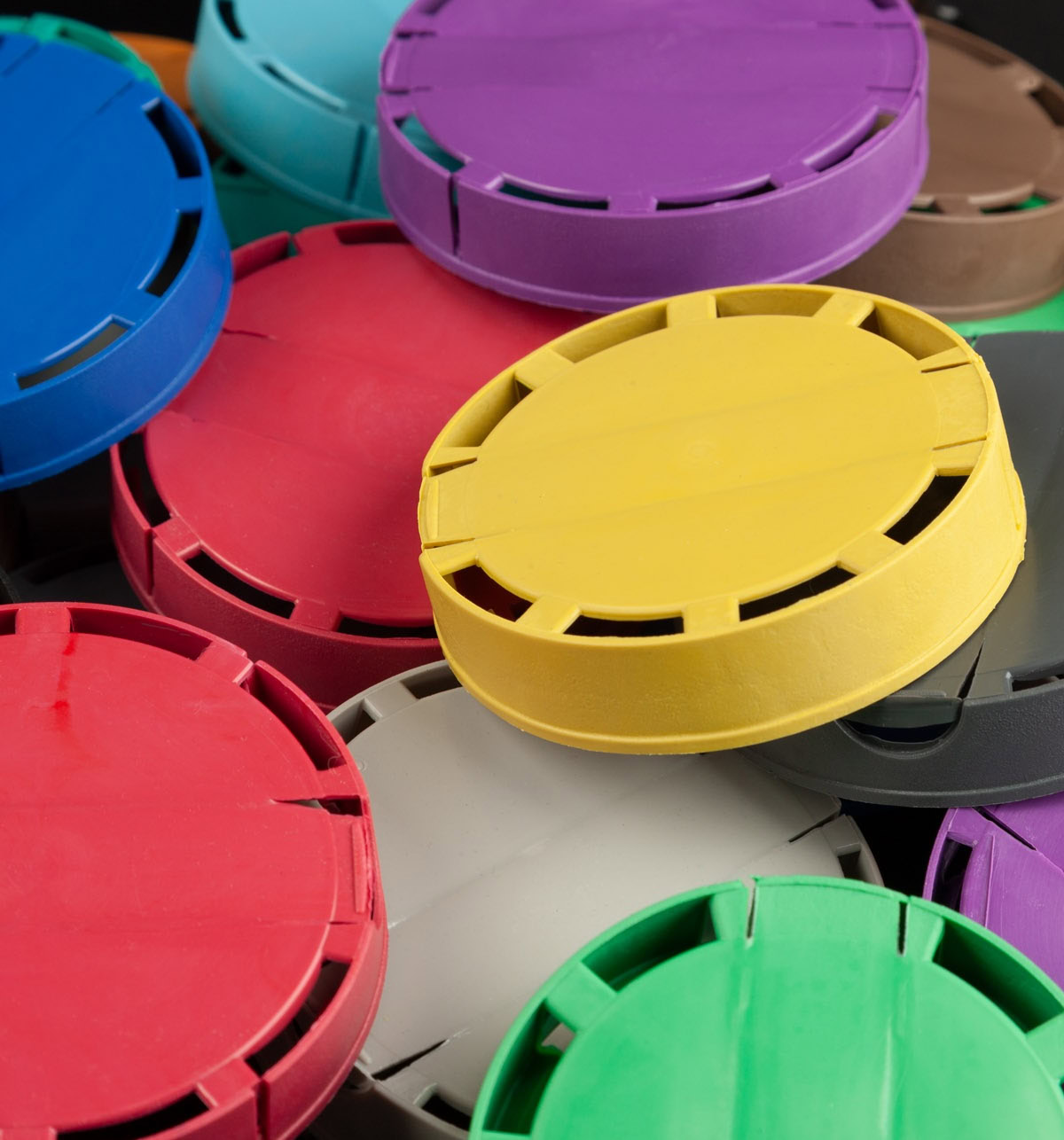
We use a combination of industry-standard design and simulation tools to ensure your part is fully optimised for injection moulding. Over our 40+ years of business, we’ve helped hundreds of customers bring their designs to life, as well as develop our own range of products.
Our design capabilities include:
Our experienced in-house team works collaboratively with customers to create robust, production-ready designs that minimise waste and improve part quality.
While our roots are in the brewing industry, we now support a wide range of sectors including beverage, food packaging, construction, fenestration and general trade moulding. We work closely with customers in each market to ensure our moulded components meet technical, aesthetic and regulatory requirements.
We supply millions of moulded parts for the brewing sector, including closures, keystones and shives. Built for function, made for efficiency.
Learn moreFrom soft drinks to spirits, we mould closures, caps and dispensing parts for beverage brands big and small.
Learn moreTamper-evident caps, containers, spoons and more, made to meet strict food safety and packaging standards.
Learn moreFrom site essentials to custom fixtures, we mould strong, functional components to support demanding construction environments.
Learn moreNeed something bespoke? We offer flexible moulding capacity for trade customers across the UK.
Learn more
UB Plastics is ISO 9001:2015 certified, with a documented quality management system covering every stage of production – from design and tooling through to packaging and delivery. We monitor performance, maintain detailed traceability, and conduct regular internal and external audits to ensure compliance. Our quality processes are embedded in daily operations, giving customers confidence in every product we supply. Learn more on our Quality & Accreditation page.
Looking for a manufacturer to support your next moulding project from design, through to production, packaging and delivery? Contact our team to request samples, discuss specifications or place an order.
We’ve answered some common questions below about plastic part design, mould tooling, and how to ensure your product is suitable for injection moulding. If you’re planning a new part or adapting an existing one, these insights can help avoid delays and reduce long-term costs.
Injection moulded parts typically need uniform wall thickness, appropriate draft angles and no undercuts (unless side-actions are used). We assess your design early on to ensure it meets these requirements.
DFM is the process of adapting a product design to ensure it’s efficient and cost-effective to produce using injection moulding. It helps avoid tool modifications, defects and unnecessary costs later.
Yes. We offer design reviews, CAD modification and flow simulation to optimise parts for tooling, cooling, filling and ejection.
We typically work with STEP, IGES and native SolidWorks files. We can also review DXF, DWG and PDF drawings if needed.
Ideally at concept stage. Early involvement helps ensure your design is tool-ready and avoids rework due to moulding constraints.
Yes. We use Moldflow simulation software to model how the material will flow, fill, cool and shrink within the tool – helping reduce the risk of warping, short shots or sink marks.
We factor in polymer-specific shrinkage during product design, and verify dimensions using first-off inspections and regular in-process checks.
This depends on complexity, but most projects move from design to sampling in 4–12 weeks. We’ll advise timelines clearly at the start of the project.
Yes. Logos, part numbers and surface textures can be added to the tool so they appear directly in the moulded part. We’ll advise how to position and size these features for best results, or alternatively, can print or label your parts post-moulding with our printing and IML services.
We help you choose based on strength, flexibility, food contact compliance, temperature resistance, and cost. Common options include PP, HDPE, TPE and more specialised engineering polymers.